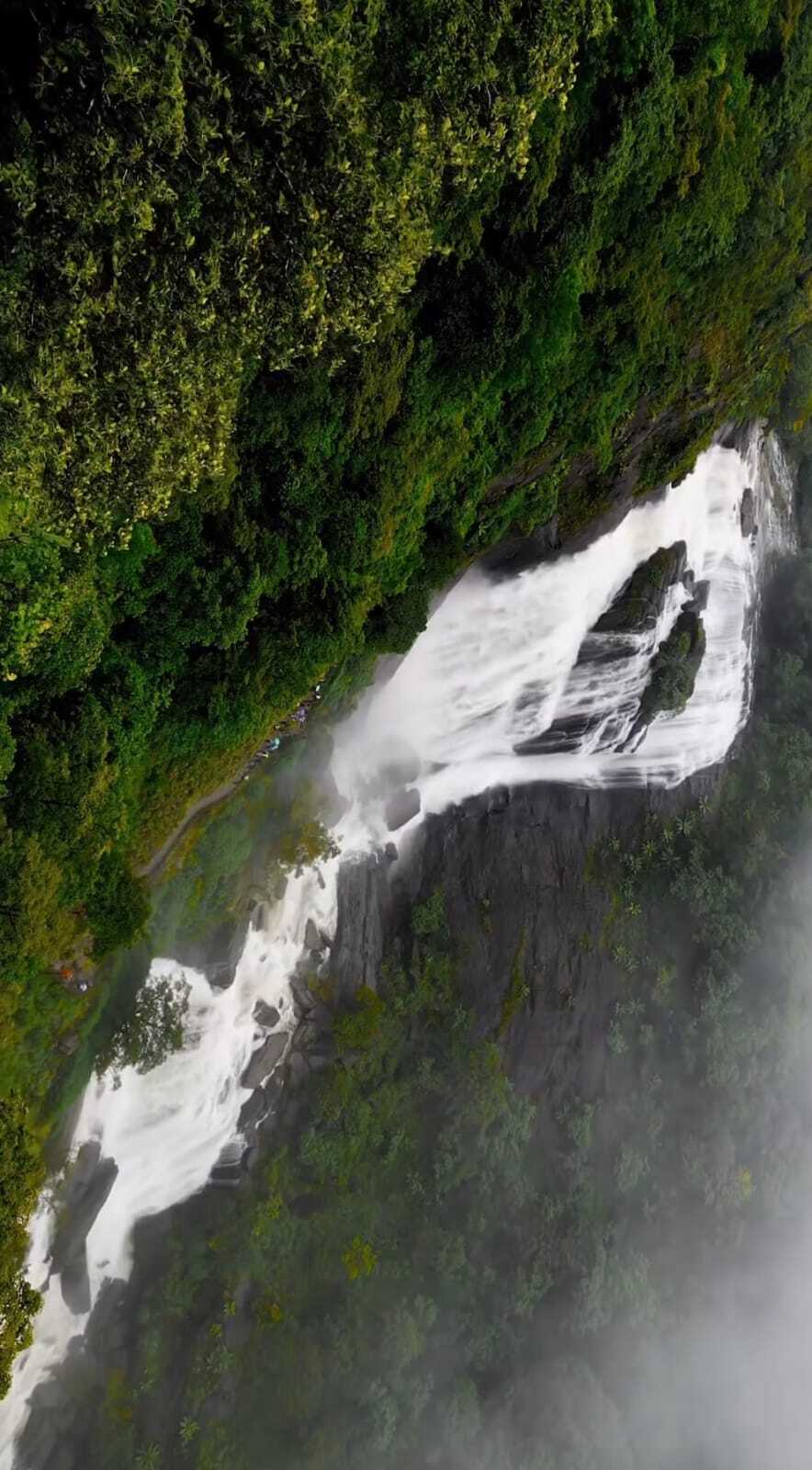
Mallalli Falls is one of those places in Coorg that rewards the traveller who looks a little further than the obvious. Tucked into the forested hills of Somwarpet taluk, it is one of the most visually dramatic waterfalls in Karnataka - and yet it remains far less crowded than the more advertised falls elsewhere in the district.
This guide covers everything you need to plan a visit to Mallalli Falls - how to get there, the best time to go, what to expect when you arrive, and where to stay nearby so you can experience it properly rather than rushing back to a distant hotel the same evening.
What Is Mallalli Falls
Mallalli Falls, also written as Mallalli Waterfalls , is formed by the Kumaradhara River as it descends steeply through the dense forests of the Western Ghats near Somwarpet in Kodagu district. The falls drop from a considerable height and widen at the base into a natural pool surrounded by forest - a setting that is both dramatic and deeply peaceful.
Mallalli Falls has grown into a well-organised destination with entry tickets, food stalls, and ample parking space available at the site. The falls can be viewed comfortably from the top viewing area itself(a few steps down), which offers a clear and dramatic perspective of the full drop without any exertion. For many visitors, particularly those travelling with elderly family members or young children, the top viewpoint is the ideal place to experience Mallalli-accessible, well-maintained, and genuinely impressive.
Most waterfalls in Coorg sit on well-travelled tourist routes. Mallalli Falls is positioned slightly off the main circuit - which means the visitors who make the effort to reach it tend to be those who genuinely want a nature experience rather than a photo opportunity. This keeps the atmosphere distinctly calmer, even during peak season.
How to Reach Mallalli Falls
Mallalli Falls is located near Kumaralli Village in Somwarpet taluk, Kodagu district. For those who wish to descend further, there are approximately 700 steps leading to the base of the falls.Reaching the bottom does not mean access to the water - the area near the falls is barricaded for safety, and crossing these barriers is strictly restricted due to the genuine danger posed by the current and the rocks. Our honest suggestion: elderly visitors and those with knee or leg discomfort should enjoy the falls from the top viewing area, which is equally rewarding and far more comfortable. Also Mallalli falls is closer to Sakleshpur.
| From | Distance | Approx. Time | Route |
|---|---|---|---|
| Bangalore | 260 KM | 5 – 6 hours | via Mysore or Hassan |
| Mysore | 145 KM | 3 – 3.5 hours | via Kushalnagarr |
| Mangalore | 130 KM | 3 – 3.5 hours | via Sakleshpur |
| Hassan | 95 KM | 2 – 2.5 hours | via Sakleshpur |
| Somwarpet Town | 22 KM | 40 minutes | Direct road |
| Kandu Valley Homestay | 9 KM | 20 minutes | Direct road |
The road to Mallalli Falls from Somwarpet passes through coffee and spice plantation areas and is well surfaced for most of its length. A standard car handles the route comfortably. No ghat road or four-wheel-drive is required, which makes it particularly accessible for families travelling with children or elderly members.
Best Time to Visit Mallalli Falls
Mallalli Falls can be visited year-round, but the experience changes significantly with the season. Understanding what each period offers will help you plan a visit that matches what you are actually looking for.
The falls are at their most powerful and visually dramatic. Water volume is high, the surrounding forest is intensely green, and the mist from the falls carries across the viewing area. Best for those who want to witness the falls at full force.
The recommended window for most visitors. Water levels remain good, the landscape holds its green character, the air is cool and clear. Families and those travelling with children will find this the most comfortable period.
Water levels reduce as the dry season progresses. The falls are still worth visiting, particularly in March and April. By May the flow is minimal. The surrounding forest remains attractive and the area is generally quieter than peak season, making it a peaceful alternative for those who prefer fewer visitors.
October through January gives you the full Mallalli experience — good water flow after the monsoon, pleasant temperatures, and the kind of clear air that makes the forest walk genuinely enjoyable. This is also when the coffee harvest is underway in the surrounding estates, which adds a layer of sensory richness to the visit that no other season can offer.
What to See and Do at Mallalli Falls
Mallalli Falls is primarily a nature destination. The experience is about the landscape, the water, the forest, and the quiet - not organised attractions or infrastructure. This is precisely what makes it worth visiting.
- The main viewpoint, which overlooks the falls from above and offers a clear view of the full drop.
- Photography - the falls photograph beautifully in morning light, and the surrounding forest provides a natural frame that is difficult to find at more visited locations
- Simply sitting at the base in the quiet - something that is genuinely possible here on weekdays, away from the weekend visitor traffic
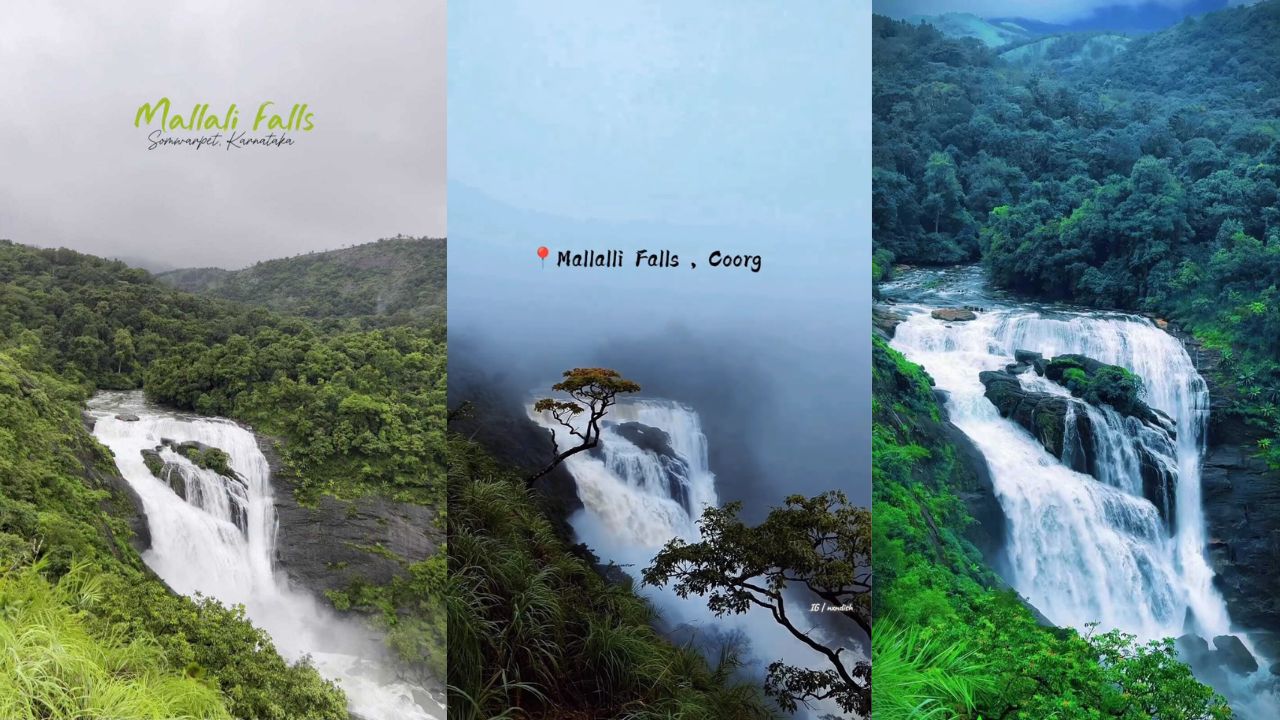
Some of the beautyfull shots found, Image credit goes to rightfull owner.
Nearby Attractions - What to Combine with a Mallalli Visit
The Somwarpet region around Mallalli Falls is one of the most naturally rich areas in all of Kodagu. A visit to the falls pairs naturally with several other destinations in the same area, all within a short drive.
The Kumaradhara River-the same river that forms Mallalli Falls - offers rafting at a point downstream.
A natural extension of the water-focused experience of the falls.
One of the most respected treks in the Western Ghats. The base camp is accessible by road, and the surrounding forest is worth visiting even without undertaking the full trek.
A sacred ancient hindu temple, overlooking peaceful landscape and it has a very old Sampige tree
One of the finest viewpoints in Karnataka, overlooking the Bisle Reserve Forest. On clear days the panoramic view extends across the Western Ghats. Genuinely spectacular.
A neighbouring hill district in Hassan known for its tea estates and railway heritage. A worthwhile day trip for those staying in the Somwarpet area for multiple nights.
The estates surrounding Mallalli Falls are active coffee and spice plantations. A guided walk through one of them offers a perspective on Coorg that no viewpoint can provide.
Practical Tips Before You Visit
Visit on a weekday if possible. Weekends, particularly from October to January, see noticeably more visitors. The falls experience on a quiet Tuesday morning is significantly different from a Sunday afternoon.
Wear footwear with grip. The rocks near the base of the falls and along the walking path can be wet and slippery, particularly after monsoon. Sandals without grip are not advisable.
Carry water and light snacks. There are limited food options immediately at the falls. If you are travelling with children or elderly family members, it is sensible to be self-sufficient for the duration of the visit.
Start early. Morning light at Mallalli is beautiful for photography, the air is cooler, and the early hours before 10 AM tend to be quieter regardless of the day of the week.
During monsoon, stay at designated viewing areas. The water volume and current are significantly higher during June through September, and the rocks at the base become genuinely dangerous. Enjoy the spectacle from the viewpoint.
Do not litter and keep place clean, Use Dustbins
Where to Stay Near Mallalli Falls
The quality of a Mallalli Falls visit is significantly shaped by where you are staying. Arriving from Madikeri or Kushalnagar means a drive of approx 2 hours each way - which turns what could be a relaxed morning at the falls into a logistics exercise.
Staying close to Mallalli changes the experience entirely. You can arrive at the falls before other visitors.
For families and travellers who value comfort and care over proximity to a town centre, the area around Kundalli Village - where Kandu Valley Homestay is located - offers the most natural base for a Mallalli Falls visit.
Stay Where the Falls Are Closest
Kandu Valley Homestay sits on a hilltop coffee estate in Kundalli Village, Somwarpet - just 9 kilometres from Mallalli Falls. A comfortable, privately hosted stay with farm-grown meals, open grounds, and a pace that matches the landscape around it. For families and travellers who want more than proximity to a tourist site - this is a base that gives the entire region time to reveal itself.
In Summary
Mallalli Falls is one of the genuinely rewarding destinations in Coorg - not because it is the easiest to reach or the most heavily promoted, but because it retains the character that draws people to the Western Ghats in the first place. The water is real, the forest is intact, and the quiet - particularly away from peak weekend hours - is the kind that you feel in your body rather than simply note with your mind.
Plan the visit with enough time. Come early. Stay nearby. And if you can, arrange it so the falls are a morning excursion rather than the centrepiece of a rushed day trip. The difference in experience is considerable.